Why Film Wrinkles During Slitting: Common Causes and Practical Solutions
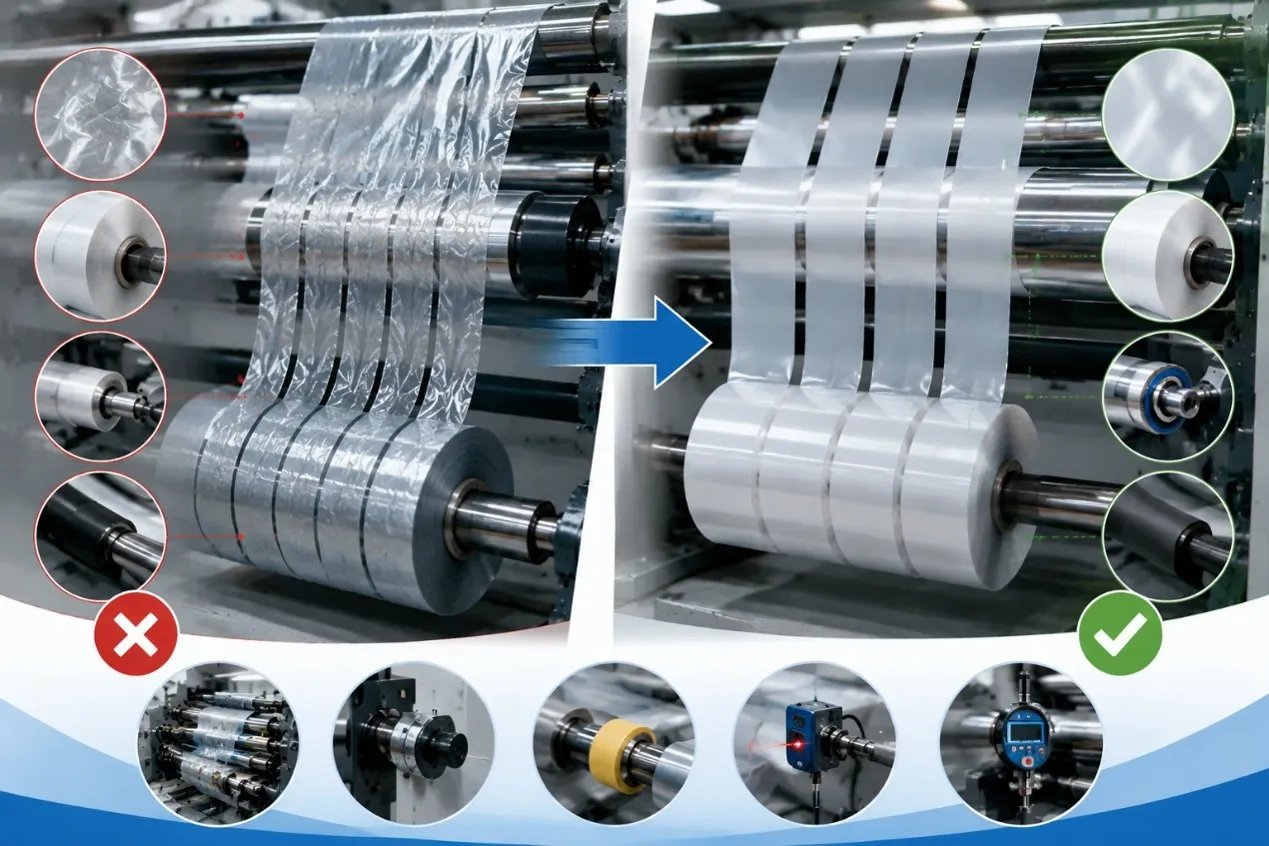
Film wrinkles are one of the most common quality problems in slitting and rewinding operations. Whether processing BOPP, PET, PE, CPP, laminated films, or self-adhesive label materials, wrinkles can reduce finished roll quality, increase material waste, and create problems in downstream printing, laminating, or packaging processes. In many cases, wrinkles are not caused by a single machine fault but by a combination of improper tension settings, web guiding errors, roller alignment, or unsuitable material handling.
This guide explains the most common reasons why film wrinkles during slitting and provides practical solutions to help improve web stability and finished roll quality.
What Causes Film Wrinkles?
A wrinkle forms when part of the web travels differently from the rest of the material. If one area is stretched more than another or the web is unable to remain flat while passing through the machine, folds or waves begin to appear. Once a wrinkle is formed, it often becomes more severe as the material continues through the slitting and rewinding process.
The most common causes include unstable web tension, poor web alignment, incorrect roller settings, trapped air, uneven material thickness, and improper rewind conditions.
1. Incorrect Web Tension
Improper web tension is one of the leading causes of wrinkles. Excessive tension can stretch thin films and create permanent deformation, while insufficient tension allows the material to move loosely between rollers, making it easier for wrinkles to develop.
The solution is to use stable closed-loop tension control and adjust tension according to the material type, film thickness, and production speed. Thin films such as PET and BOPP generally require more precise tension control than paper materials.
2. Poor Web Guiding
If the web guide system cannot keep the material centered, the film may drift sideways during production. Side movement changes the web path and often causes diagonal wrinkles or uneven winding.
Regularly checking guide sensors, guide rollers, and actuator response helps maintain accurate web tracking. Proper web guiding also improves slit width accuracy and roll edge quality.
3. Roller Misalignment
Guide rollers, idle rollers, and nip rollers must remain parallel throughout the machine. Even slight misalignment can force one side of the web to travel farther than the other, creating wrinkles across the film.
Routine inspection of roller alignment, bearing condition, and machine frame geometry helps prevent this problem. Any damaged or worn rollers should be repaired or replaced before production continues.
4. Uneven Material Thickness
Film thickness variation can produce localized tension differences across the web. As the thicker sections wind differently from thinner areas, wrinkles may develop during slitting or rewinding.
Inspecting incoming materials and working with reliable film suppliers can significantly reduce thickness-related defects. When possible, test new material batches before large-scale production.
5. Trapped Air During Rewinding
At higher production speeds, air can become trapped between film layers. This reduces contact between adjacent layers and creates soft areas that may wrinkle during winding or storage.
Correct lay-on roller pressure, appropriate taper tension, and controlled rewinding speed help remove trapped air and produce more stable finished rolls.
6. Incorrect Rewind Tension
Rewinding plays an important role in final roll quality. Excessive rewind tension may stretch the film, while insufficient tension allows loose winding and layer movement.
Automatic taper tension systems gradually reduce winding tension as roll diameter increases, helping maintain consistent roll hardness and minimizing wrinkle formation throughout the roll.
7. Worn or Dirty Rollers
Contaminated rollers reduce friction consistency across the web and may create localized slippage. Adhesive residue, dust, or damaged roller surfaces can all contribute to wrinkles.
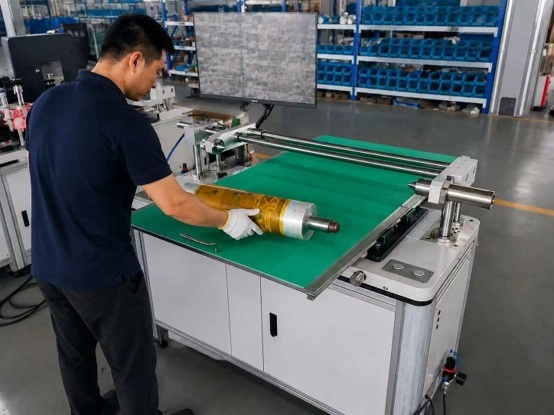
Cleaning rollers regularly and inspecting them for wear should be part of every preventive maintenance program.
8. Production Speed Is Too High
Increasing machine speed improves productivity only when web stability can be maintained. If the machine accelerates beyond the capability of its tension control or roller system, wrinkles may begin to appear.
Rather than operating continuously at maximum speed, determine the highest stable speed that maintains good web control and finished roll quality.
9. Static Electricity
Plastic films such as PET, BOPP, and PE often generate static electricity during slitting. Static can cause the web to cling to rollers, attract dust, or behave unpredictably, increasing the likelihood of wrinkles.
Installing anti-static bars and ensuring proper grounding help reduce static-related handling problems, especially in dry production environments.
10. Unsuitable Material Storage
Film that has absorbed moisture, experienced excessive heat, or been stored under poor conditions may no longer remain flat during processing.
Store master rolls in a clean, temperature-controlled environment and allow materials to acclimate before production. Good material storage helps maintain consistent web behavior during slitting.
How to Troubleshoot Film Wrinkles
A systematic troubleshooting approach is usually more effective than adjusting multiple settings at once. Begin by checking whether wrinkles appear before or after the slitting section, then inspect web tension, web guiding, roller alignment, rewind settings, and material condition. Testing production at a lower speed can also help determine whether the problem is related to machine dynamics or material characteristics.
Best Practices to Prevent Wrinkles
Manufacturers can reduce wrinkle-related defects by maintaining stable web tension, calibrating web guiding systems, keeping rollers clean and properly aligned, using automatic taper tension, controlling rewinding pressure, minimizing static electricity, and recording successful production parameters for repeat jobs. Preventive maintenance and consistent operating procedures are the most effective ways to improve long-term slitting performance.
Conclusion
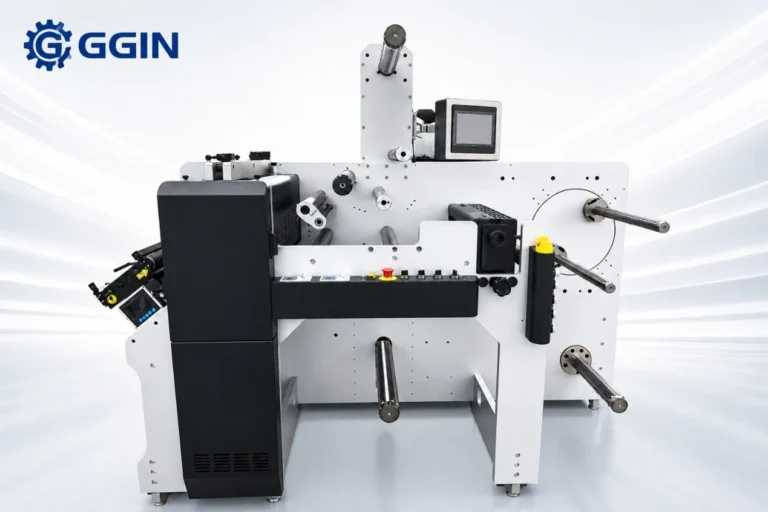
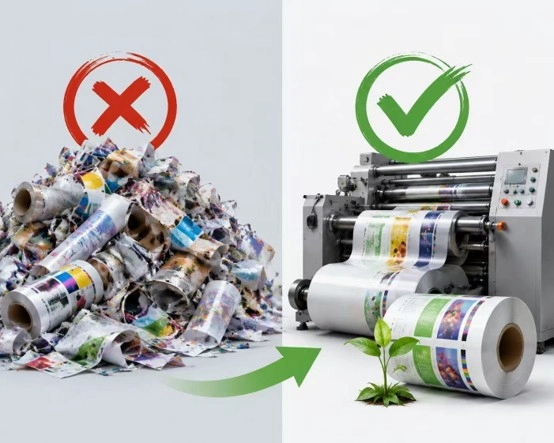
Film wrinkles during slitting are typically caused by unstable tension, poor web guiding, roller misalignment, trapped air, uneven material thickness, excessive rewinding speed, or unsuitable material handling. Identifying the root cause and making controlled adjustments to the slitting process can significantly improve finished roll quality and reduce production waste. Modern servo-driven slitter rewinders equipped with precise tension control, automatic web guiding, and intelligent rewinding systems provide greater process stability, helping converters produce smooth, wrinkle-free rolls for demanding label and flexible packaging applications.