Flexo Plate Mounting Registration Problems: Causes and Solutions
Accurate plate mounting is essential for achieving consistent registration in flexographic printing. Even a small positioning error during plate mounting can affect color alignment, increase setup waste, and require additional adjustments when the printing press starts running. For label printers and packaging converters handling multi-color jobs, mounting accuracy has a direct influence on production efficiency and print quality.
However, registration problems are not always caused by the printing press. Incorrect plate positioning, mounting tape issues, plate distortion, and inaccurate camera alignment can introduce errors before printing begins. Understanding how these problems develop helps operators improve mounting consistency and reduce unnecessary troubleshooting.
Why Plate Mounting Accuracy Matters in Flexo Printing
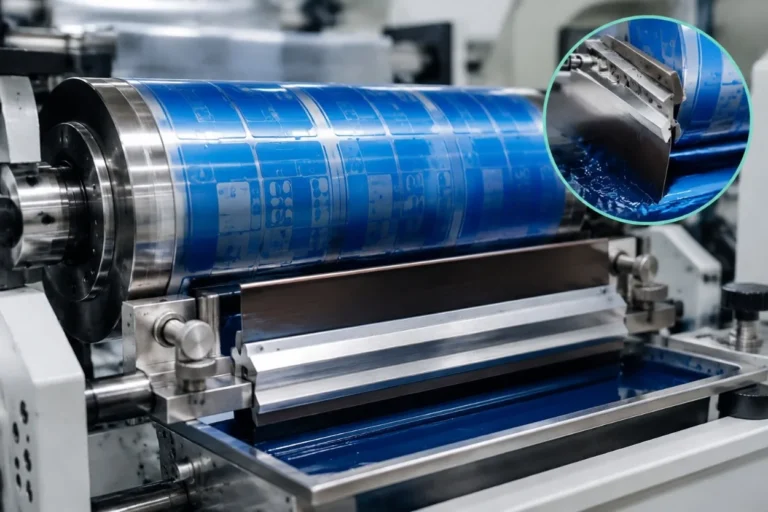
In flexographic printing, each color is typically transferred from a separate printing plate mounted on its corresponding cylinder or sleeve. For multi-color graphics to align correctly, the printing plates must be positioned accurately relative to their intended reference points.
If one plate is mounted at a different circumferential or lateral position, the printed image may not align with the other colors. The printing press can compensate for some positional differences through its registration adjustments, but excessive mounting errors increase setup time and may exceed the available adjustment range.
Accurate mounting is particularly important for fine text, small barcodes, detailed graphics, and designs requiring precise color-to-color alignment.
Common Registration Errors During Plate Mounting
Plate mounting registration errors generally appear as circumferential, lateral, or angular misalignment.
Circumferential errors occur when a plate is positioned incorrectly around the printing cylinder, affecting its position in the machine direction. Lateral errors result from incorrect positioning across the cylinder width, while angular errors occur when the plate is mounted slightly crooked.
Angular misalignment can be especially troublesome because correcting one side of the printed image may leave the opposite side out of registration. Unlike a simple positional offset, this type of error may require removing and remounting the plate.
Before making adjustments, operators should identify the direction and consistency of the error. This helps determine whether the problem originates from the mounting process or another part of the printing system.
How Plate Distortion Affects Registration
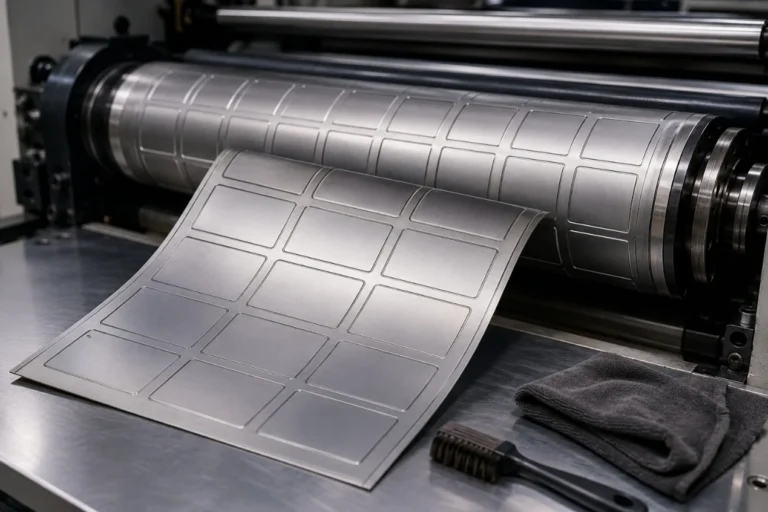
Flexographic printing plates are flexible, which makes them suitable for printing on different substrates but also means they can be distorted during handling and mounting.
Excessive stretching, uneven pulling, or incorrect mounting techniques may change the position of registration marks and image elements. If the plate is forced into position rather than aligned naturally, the resulting distortion may become visible during printing.
Plate dimensions and the required distortion compensation should also be considered during plate preparation. Incorrect plate compensation or a mismatch between the plate and printing repeat can produce registration or dimensional problems that cannot be corrected simply by adjusting the mounting position.
Operators should handle plates carefully, avoid unnecessary stretching, and verify that the plate specifications match the intended printing cylinder and job requirements.
The Role of Mounting Tape and Cylinder Condition
Double-sided mounting tape is another important factor in plate mounting accuracy. The tape must provide suitable adhesion, consistent thickness, and appropriate compressibility for the printing application.
Uneven tape application, trapped air bubbles, wrinkles, or contamination can prevent the printing plate from sitting uniformly on the cylinder surface. These conditions may contribute to unstable printing pressure, image distortion, or local print defects.
Cylinder and sleeve condition also matters. Dirt, adhesive residue, surface damage, or excessive runout can affect the mounting process and subsequent printing performance.
Before mounting a new plate, operators should clean the cylinder or sleeve, inspect the mounting tape, and ensure that the contact surfaces are free from contamination.
Camera Alignment and Registration Mark Detection
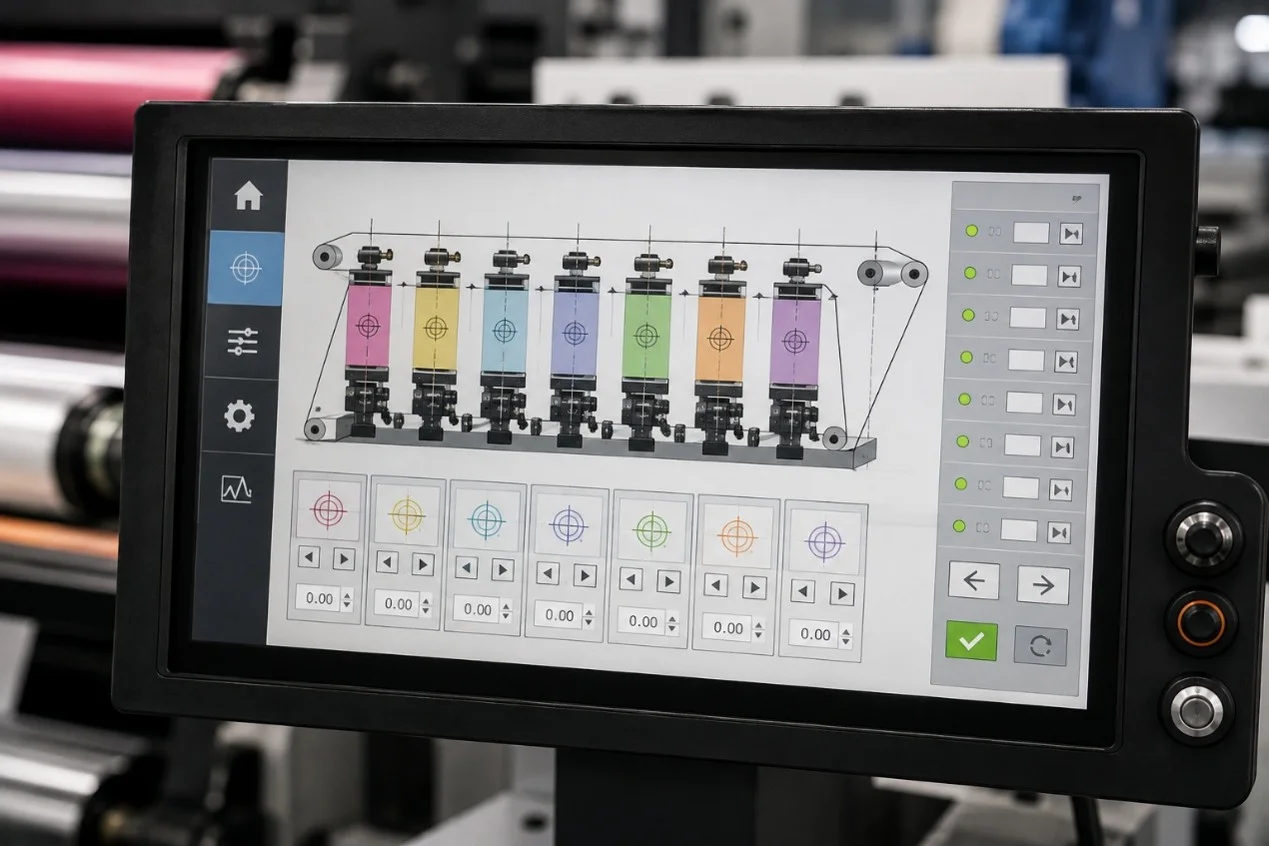
Camera-based plate mounting machines are designed to help operators position printing plates more accurately by magnifying registration marks or other reference features.
When correctly calibrated and operated, these systems can reduce reliance on visual estimation and improve repeatability between printing jobs. However, camera positioning alone does not guarantee accurate mounting.
Poor image focus, incorrect camera calibration, unsuitable lighting, or inconsistent registration mark selection can introduce positioning errors. Mechanical movement of the camera system or cylinder positioning mechanism may also affect repeatability.
Operators should verify camera calibration regularly and use consistent reference marks for the same job. When registration marks are difficult to detect, improving image clarity and lighting is generally more effective than repeatedly adjusting the plate without identifying the cause.
Is the Problem Caused by Mounting or Printing?
One of the most important troubleshooting steps is distinguishing plate mounting errors from registration problems that develop during press operation.
If a registration offset remains consistent from the beginning of printing, incorrect plate positioning may be a possible cause. However, an incorrect initial press setting can produce a similar result.
If registration changes as printing speed increases, the cause may be related to web tension, substrate stretching, roller slip, temperature changes, or drive synchronization rather than plate mounting.
A useful approach is to verify the plate position on the mounting machine before investigating the printing press. If the plate is correctly mounted but registration continues to drift during production, attention should shift toward the press and material-handling system.
This distinction can prevent unnecessary plate remounting and reduce production downtime.
Improving Plate Mounting Consistency
Reliable plate mounting begins with a repeatable preparation and inspection process. Printing plates should be checked for damage, dimensional accuracy, and suitable registration marks before mounting. Cylinders, sleeves, and mounting surfaces should also be clean and in good condition.
During mounting, operators should use consistent alignment references, apply the tape evenly, and avoid stretching the plate. For camera-assisted systems, calibration and image clarity should be confirmed before starting a new job.
After mounting, the plate position should be inspected before the cylinder is transferred to the printing press. Recording mounting parameters and using consistent procedures for repeat jobs can help reduce setup variation between operators.
Regular equipment maintenance, operator training, and careful handling of plates and mounting materials are equally important for maintaining long-term accuracy.
Choosing a Plate Mounting Machine for Better Registration
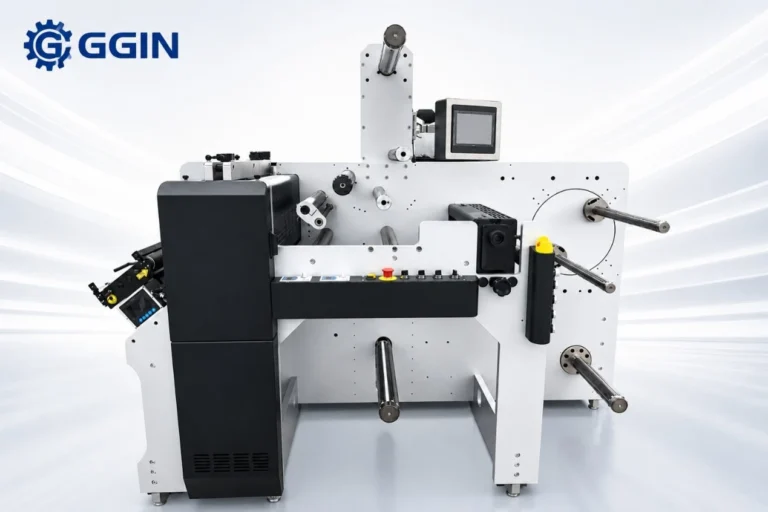
When evaluating a flexo plate mounting machine, buyers should consider the required printing width, cylinder dimensions, plate size, registration tolerance, and frequency of job changes.
Manual plate mounting machines can be suitable for certain production requirements, while camera-assisted and automated systems may offer advantages when precise positioning and repeatable mounting are priorities.
Important considerations include camera resolution, positioning stability, cylinder support, calibration procedures, ease of operation, and compatibility with existing printing cylinders or sleeves.
The best choice depends on the printing application and workflow rather than automation level alone. Where possible, buyers should request a mounting demonstration using their own plate dimensions and registration requirements.
Final Thoughts
Flexo plate mounting registration problems can result from incorrect positioning, plate distortion, mounting tape defects, cylinder condition, or camera alignment errors. Identifying the actual source of the deviation is essential because mounting errors and press-related registration problems require different solutions.
By maintaining clean mounting surfaces, using suitable materials, checking camera calibration, and following consistent mounting procedures, converters can improve registration repeatability, reduce setup waste, and achieve more reliable printing quality.
Looking for a flexo plate mounting solution? GGIN Machinery offers plate mounting machines with different positioning and camera configurations for flexographic printing applications. Share your printing width, plate dimensions, cylinder specifications, and accuracy requirements, and we can help you evaluate a suitable plate mounting machine.