How to Choose a Flexo Printing Machine: A Practical Buying Guide
Choosing the right flexo printing machine is an important investment decision for label converters and packaging manufacturers. A suitable press should not only produce high-quality prints but also match your materials, production volume, printing requirements, and long-term business plans.
With different machine structures, printing widths, ink systems, servo configurations, and automation options available, comparing flexographic printing presses can be complicated. The most expensive or fastest machine is not necessarily the best choice. What matters is finding a configuration that delivers consistent quality, efficient production, and reasonable operating costs for your specific applications.
Start with the Products You Plan to Print
Before comparing machine models, identify the products you intend to manufacture. Self-adhesive labels, thermal paper labels, flexible packaging films, paper packaging, and shrink sleeves may require different printing configurations.
For example, a label converter producing short and medium runs of multi-color adhesive labels may prioritize registration accuracy, quick job changes, and inline converting. A manufacturer printing larger volumes of flexible packaging film may place greater emphasis on drying capacity, web tension stability, and consistent performance during continuous production.
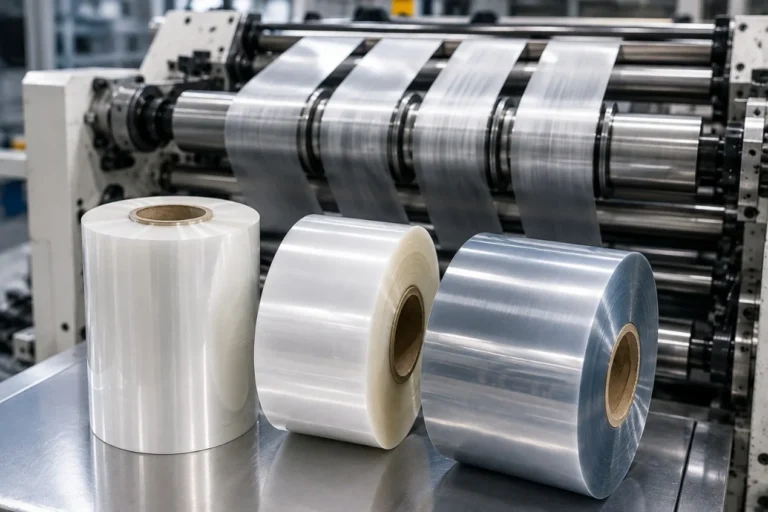
Material characteristics are equally important. PET, BOPP, PE, coated paper, and synthetic paper behave differently under tension and heat. Thin or stretch-sensitive films require particularly careful web handling, while absorbent paper materials may have different ink and drying requirements.
Providing representative material samples to the machine supplier is often more useful than discussing printing width and speed alone.
Modular or Stack Flexo Printing Machine?
The machine structure is one of the first major decisions.
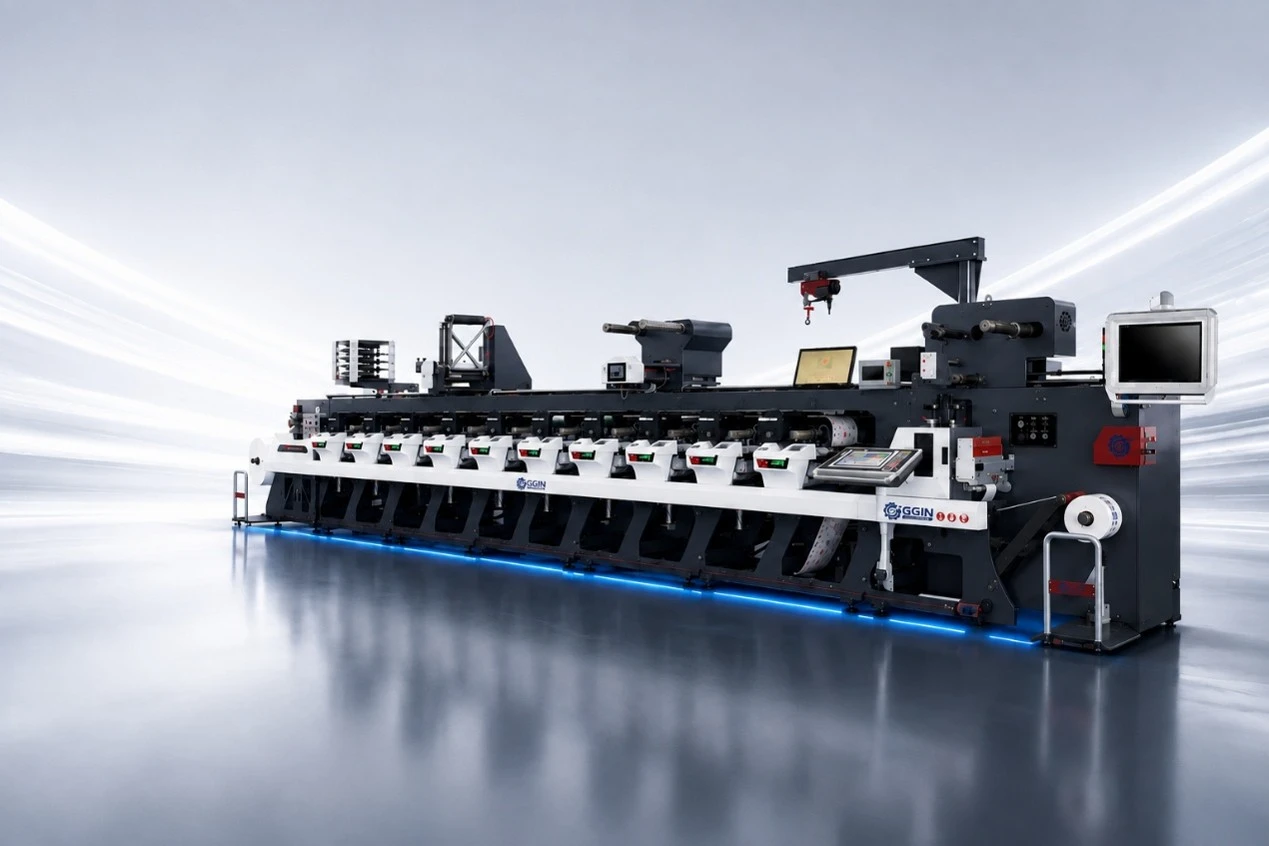
A modular flexo printing machine, also called an inline or unit-type flexo press, has individual printing stations arranged along the web path. This design is widely used in narrow-web label production because it offers flexible configurations and can integrate additional processes such as varnishing, laminating, rotary die cutting, slitting, or rewinding.
Modular machines are particularly attractive when product variety, registration control, and inline finishing are important.
A stack flexo printing machine arranges printing units vertically around a supporting frame. Depending on the design, it can provide a compact solution for paper and film printing and may be suitable for applications where a relatively straightforward printing configuration is preferred.
Neither structure is universally better. The choice depends on the substrate, required printing quality, available space, production workflow, and finishing requirements.
For demanding flexible packaging applications, other press architectures may also be considered. Buyers should evaluate the actual production requirements before deciding which machine design offers the most practical benefits.
How Many Printing Colors Do You Really Need?
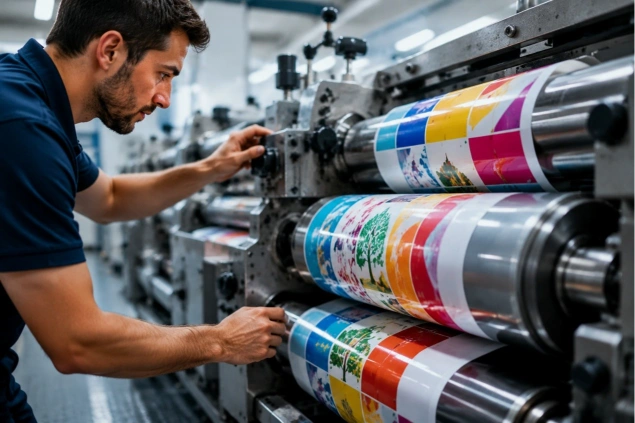
Flexographic printing machines are available with different numbers of printing stations, commonly including four-, six-, and eight-color configurations.
The correct choice depends on your artwork and future production needs. A four-color machine may be sufficient for certain straightforward jobs, while six- or eight-color configurations offer greater flexibility for spot colors, white ink, coatings, and more complex label designs.
However, additional printing stations increase the initial investment, machine length, maintenance requirements, and potential setup work. Buying more colors than your business needs may not provide an immediate return.
It is worth reviewing your current orders and expected future applications before selecting the number of stations. Consider whether white ink, varnish, or other functional coatings require dedicated units.
Choose the Ink and Drying System Carefully
Ink selection has a direct influence on machine configuration.
UV flexo printing is widely used for self-adhesive labels and narrow-web packaging applications. With suitable curing equipment, UV ink can support detailed graphics and rapid downstream converting.
Water-based flexo printing is common in paper and packaging applications and can also be used on selected films when the ink formulation, surface treatment, and drying system are appropriate.
Solvent-based flexo printing remains important for various flexible packaging films, but it requires suitable drying, exhaust, solvent-handling, and safety provisions.
The ink system should be selected according to the substrate and finished product rather than price alone. For UV printing, confirm the curing technology and compatible inks. For water-based or solvent-based applications, make sure the dryer has sufficient capacity at the intended production speed and ink coverage.
A machine capable of high mechanical speed may still be limited by inadequate drying or curing performance.
Printing Width, Repeat Length, and Production Speed
Printing width should match the material sizes and products you regularly manufacture. A wider machine may offer flexibility, but it can also increase material waste, tooling costs, and operating expenses when most jobs are narrow.
Print repeat length is another important specification. Different label sizes and packaging designs require different repeat lengths, and the available range depends on the machine’s mechanical and control system design.
When comparing machine speed, distinguish between the manufacturer’s maximum rated speed and the practical speed achievable with your materials, graphics, ink coverage, and quality requirements.
For most converters, stable production with low waste is more valuable than a high speed that cannot be maintained during actual jobs.
Why Registration Accuracy and Web Tension Matter
Registration accuracy is especially important for multi-color labels, fine graphics, barcodes, and packaging designs with tight alignment requirements.
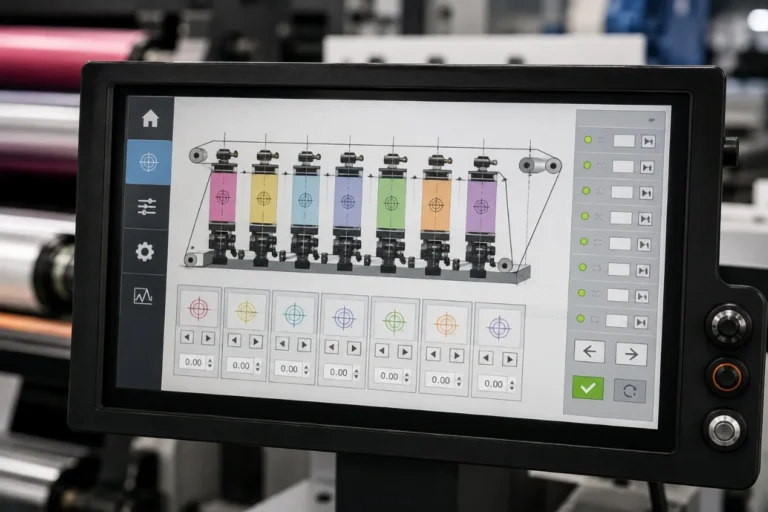
Modern servo-driven flexo printing machines can provide precise motion control and coordinated operation between printing stations. Automatic registration systems may also help reduce setup time and correct certain positioning deviations during production.
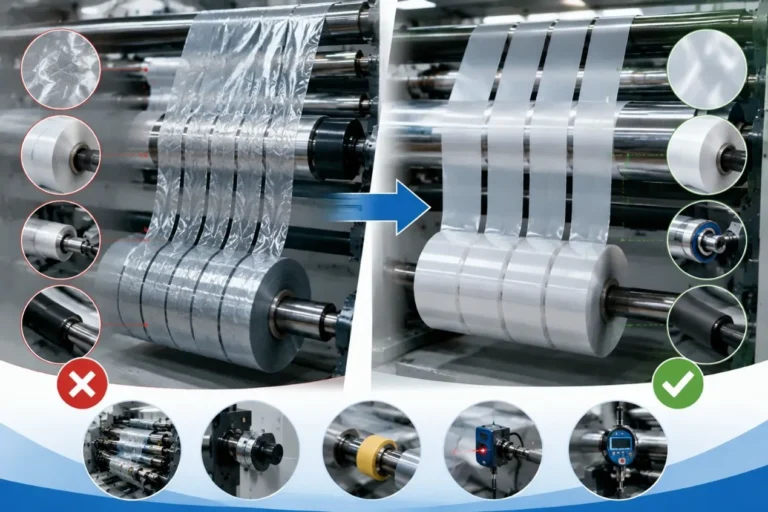
However, servo technology alone does not guarantee perfect registration. Printing plate mounting accuracy, substrate stability, web tension, roller condition, and machine setup all affect the final result.
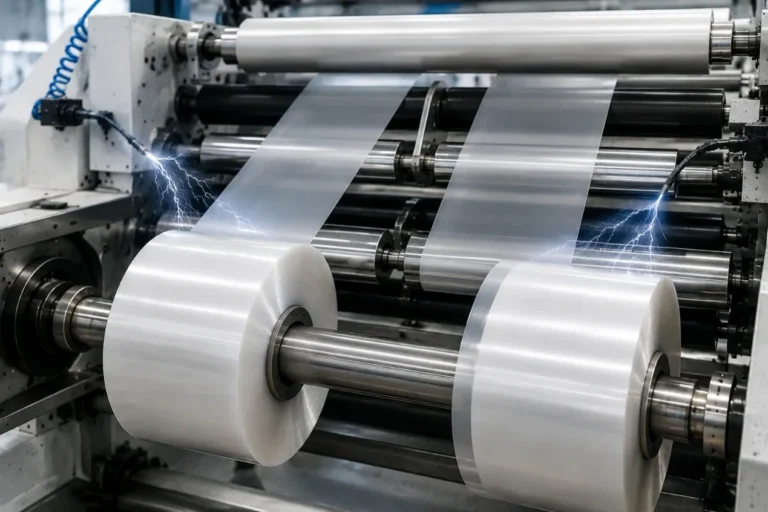
For thin films and other sensitive materials, stable unwind and rewind tension are particularly important. An appropriate tension-control system helps reduce stretching, wrinkles, and registration variation.
When evaluating a press, ask the supplier to demonstrate registration stability under realistic production conditions rather than relying only on a published accuracy figure.
Consider Automation and Inline Finishing
Automation can improve production efficiency, especially for converters handling frequent job changes.
Depending on the machine configuration, useful features may include servo-driven printing units, automatic registration, web guiding, tension control, job parameter storage, and monitoring systems.
Inline finishing can also be valuable. Integrating varnishing, laminating, die cutting, slitting, and rewinding may reduce material handling and separate production steps.
However, a highly integrated machine is not always the most economical option. If your business already has suitable finishing equipment, a printing-only press may offer greater flexibility or lower initial investment.
The best configuration should support your actual workflow instead of adding functions that are rarely used.
Look Beyond the Initial Machine Price
The purchase price is only one part of the total investment.
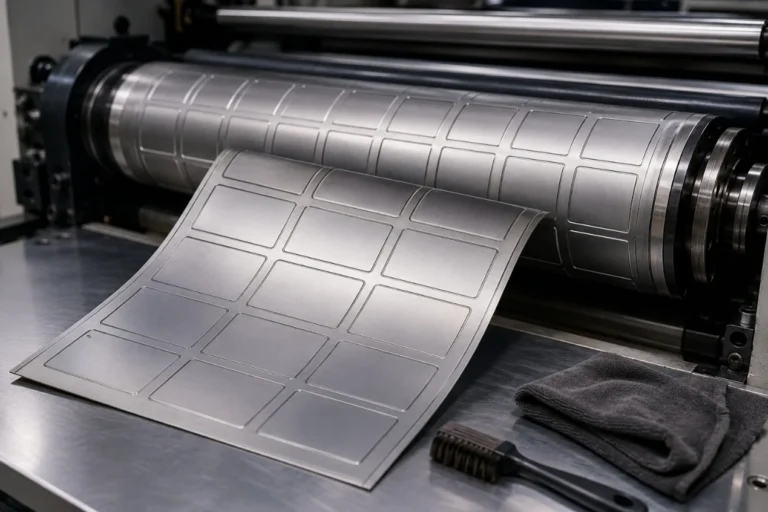
Printing plates, mounting sleeves or cylinders, anilox rollers, doctor blades, ink systems, drying or curing equipment, electrical consumption, maintenance, spare parts, and operator training all contribute to operating costs.
Setup time and material waste are also important. A machine with reliable registration and repeatable job settings may reduce production losses, particularly when changing jobs frequently.
Buyers should also confirm what is included in the quotation. Optional equipment, installation, commissioning, training, shipping, and spare parts should be clearly identified to avoid unexpected costs later.
How to Evaluate a Flexo Printing Machine Supplier
A reliable supplier should understand your printing application and explain why a particular machine configuration is suitable.
Before placing an order, discuss the substrates, printing width, number of colors, ink system, production speed, repeat length, and required finishing processes. Request relevant machine specifications and, where possible, videos or samples from comparable applications.
A factory acceptance test using representative materials can provide valuable information about registration, print quality, drying or curing, and overall machine operation. The test conditions and acceptance criteria should be agreed upon in advance.
After-sales support is equally important. Confirm the availability of manuals, electrical drawings, spare parts, remote technical assistance, and installation or training services. For international buyers, documentation and applicable compliance requirements should also be clarified before shipment.
A well-matched machine supported by responsive technical service can provide greater long-term value than a lower-priced machine with uncertain support.
Making the Right Investment Decision
The best flexo printing machine is not necessarily the one with the most printing stations, highest speed, or greatest number of automated features. It is the machine that can consistently manufacture your intended products at an acceptable cost.
Start by defining your materials and printing requirements, then compare machine structures, ink systems, registration control, drying capacity, finishing options, and supplier support. Testing representative jobs and reviewing the complete operating cost can help reduce purchasing risks.
Looking for a flexographic printing machine for labels or flexible packaging? GGIN Machinery provides servo modular and stack flexo printing solutions with different printing widths, color configurations, ink systems, and optional converting equipment. Share your substrate, printing width, number of colors, ink type, required speed, and finished product, and we can help you evaluate a suitable flexo printing configuration.