Flexographic Printing VS Gravure Printing: Which Is Better for Modern Packaging Production?
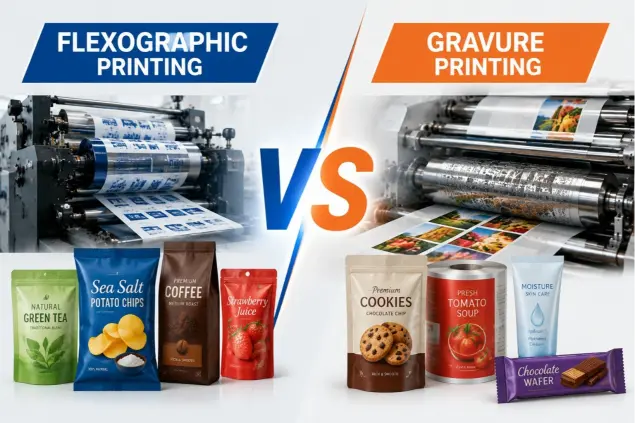
Flexographic printing and gravure printing are two of the most widely used printing technologies in the packaging industry. Both methods are capable of producing high-quality graphics on flexible packaging, labels, films, paper, and other substrates. However, they differ significantly in terms of cost, setup time, production flexibility, print quality, and environmental impact.
As packaging markets continue to evolve toward shorter production runs, faster job changes, and greater sustainability, many converters are re-evaluating whether flexographic printing or gravure printing is the better choice for their business.
In this article, we compare flexographic printing and gravure printing across key performance factors to help manufacturers determine the most suitable technology for their production needs.
What Is Flexographic Printing?
Flexographic printing, often called flexo printing, is a rotary printing process that uses flexible photopolymer printing plates mounted on cylinders or sleeves.
Flexographic printing is commonly used for:|
* Self-adhesive labels
* Flexible packaging
* Shrink sleeves
* Paper bags
* Corrugated packaging
* Pharmaceutical labels
* Food packaging
Modern servo-driven flexographic presses can achieve excellent print quality while maintaining high production efficiency.
What Is Gravure Printing?
Gravure printing, also known as rotogravure printing, uses engraved metal cylinders to transfer ink onto the substrate. The image is engraved directly into the surface of the printing cylinder. During printing, ink fills the engraved cells and is transferred to the material.
Gravure printing is widely used for:
* Flexible packaging
* Tobacco packaging
* Decorative films
* High-volume consumer packaging
* Magazine printing
Gravure is known for its exceptional image quality and consistency in very long production runs.
Flexographic Printing VS Gravure Printing: Key Differences
1. Printing Plate vs Printing Cylinder
Flexographic Printing
Uses:
* Photopolymer printing plates
* Flexible sleeves
* Relatively low plate costs
Advantages:
* Fast plate production
* Lower setup costs * Easier job changes
Gravure Printing
Uses:
* Copper-plated engraved cylinders
* Mechanically or electronically engraved surfaces
Advantages:
* Extremely long cylinder life
* Consistent quality in large production runs
Disadvantages:
* High cylinder manufacturing cost
* Long lead times
For converters handling multiple SKUs and frequent design changes, flexographic printing offers greater flexibility and lower preparation costs.
2. Job Changeover Time
Modern packaging markets demand faster turnaround times.
Flexographic Printing
Advantages include:
* Quick plate changes
* Faster setup
* Reduced downtime
Job changeovers may take minutes rather than hours.
Gravure Printing
Requires:
* Cylinder replacement
* Longer setup procedures
* More preparation work
This advantage is especially important for label printers and flexible packaging converters.
3. Environmental Impact
Sustainability is becoming increasingly important in the packaging industry.
Flexographic Printing
Often uses:
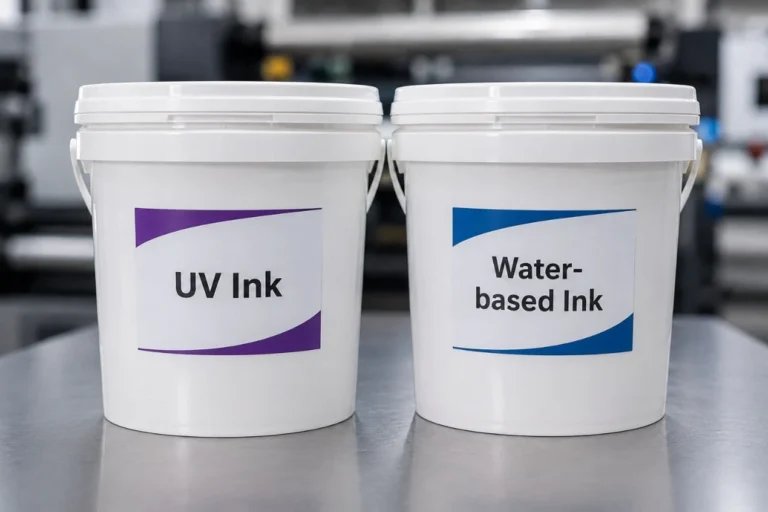
* Water-based inks
* UV inks
* Lower solvent consumption
Gravure Printing
Traditionally relies on:
* Solvent-based inks
* Higher solvent consumption
Flexo is generally considered more environmentally friendly.
4. Material Compatibility
Both technologies can print on a wide variety of substrates. Including:
* PET film
* BOPP film
* PE film
* Paper
* Aluminum foil
* Shrink sleeve materials
Modern flexographic presses offer excellent versatility across multiple substrate types. Both technologies perform well on flexible packaging materials.
5. Maintenance Requirements
Flexographic Printing
Requires maintenance of:
* Anilox rollers
* Printing plates
* Doctor blade systems
Maintenance costs are generally manageable.
Gravure Printing
Requires maintenance of:
* Engraved cylinders
* Doctor blades
* Solvent handling systems
Cylinder replacement costs can be significant.
Why Many Packaging Converters Are Switching to Flexographic Printing
Several industry trends are driving the growth of flexographic printing:
* Increasing SKU diversity
* Shorter product life cycles
* Faster delivery requirements
* Sustainability goals
* Lower operating costs
* Improved flexographic print quality
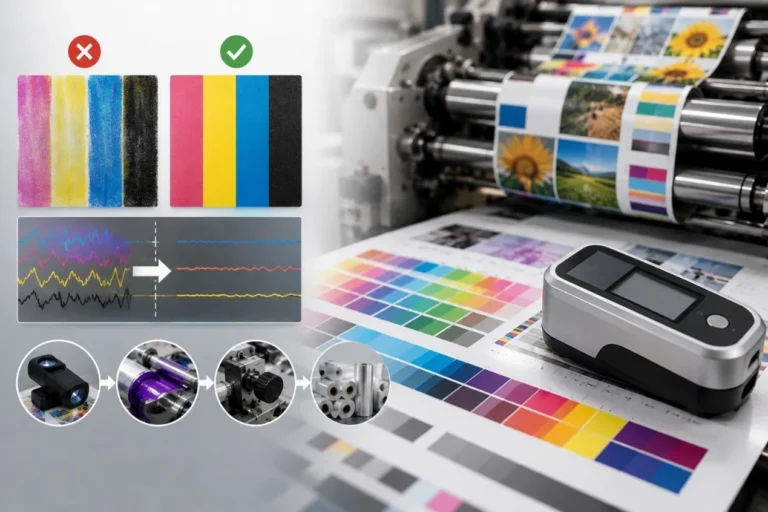
Modern servo-driven flexographic presses have dramatically improved:
* Registration accuracy
* Color consistency
* Production efficiency
* Automation capabilities
As a result, many packaging manufacturers now consider flexographic printing the preferred solution for modern packaging production.
Conclusion
Both flexographic printing and gravure printing remain important technologies in the packaging industry. Gravure continues to offer advantages for extremely long production runs and certain premium applications.
However, for most modern packaging converters, flexographic printing provides a more flexible, cost-effective, and environmentally friendly solution. With advances in plate technology, servo control, and automation, today’s flexographic presses can achieve outstanding print quality while offering faster changeovers and lower production costs.
For businesses producing labels, flexible packaging, shrink sleeves, and specialty packaging products, flexographic printing is increasingly becoming the preferred choice for balancing quality, efficiency, and profitability.