How to Print on Shrink Sleeve Film: Complete Guide for Flexographic Printing
Shrink sleeve labels have become one of the fastest-growing packaging solutions in the food, beverage, cosmetics, household, and pharmaceutical industries. Unlike traditional pressure-sensitive labels, shrink sleeves provide 360-degree product decoration, allowing brands to maximize shelf appeal while delivering more space for product information. However, printing on shrink sleeve film requires careful control of materials, inks, registration, and tension to ensure excellent print quality and consistent shrink performance.
This guide explains the key considerations for printing on shrink sleeve film using flexographic printing technology and offers practical tips to help manufacturers achieve reliable, high-quality results.
What Is Shrink Sleeve Film?
Shrink sleeve film is a heat-shrinkable plastic film that is printed, formed into a sleeve, and then applied over a container. After heat is applied, the sleeve shrinks tightly around the product, creating a seamless, full-body label. Common materials include PETG, PVC, OPS, and PLA, each offering different shrink rates, clarity, environmental characteristics, and application suitability. PETG is widely used because of its excellent transparency and high shrink performance, while PLA is becoming increasingly popular for brands seeking more sustainable packaging options.
Why Flexographic Printing Is Suitable for Shrink Sleeves
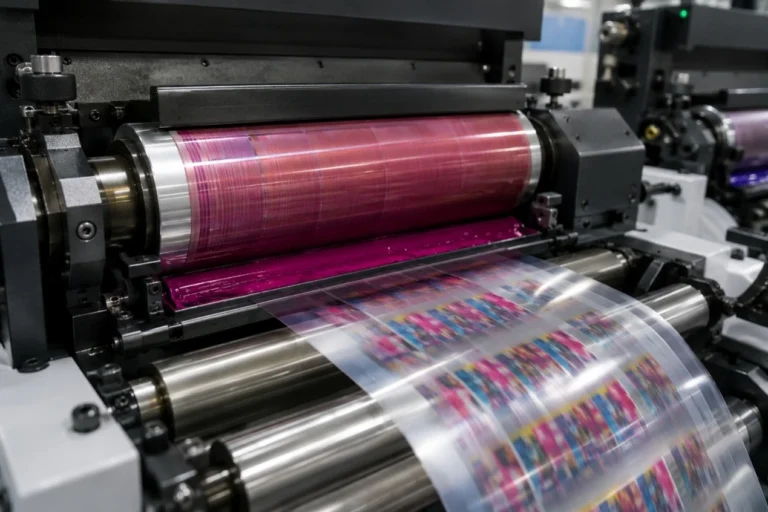
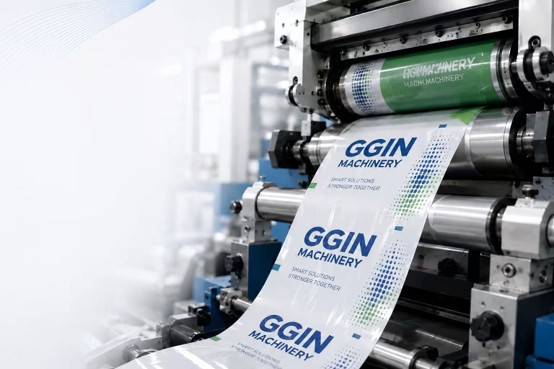
Flexographic printing has become one of the preferred methods for producing shrink sleeve labels because it combines high productivity with excellent print quality. Modern servo-driven flexographic presses provide accurate registration, stable web tension, and consistent ink transfer, making them suitable for both medium and long production runs. Flexo printing also supports UV, solvent-based, and water-based ink systems depending on the material and production process, while allowing inline operations such as lamination, inspection, die cutting, and slitting to improve manufacturing efficiency.
Choosing the Right Film
Selecting the correct shrink film is the first step toward successful production. The film should match the container shape, shrink ratio, application method, and product requirements. Factors such as film thickness, surface treatment, shrink direction, and heat resistance all influence printability. Using consistent, high-quality film from reliable suppliers helps reduce print variation and improves production stability.
Selecting the Appropriate Ink
Ink selection is equally important because shrink sleeve labels undergo significant deformation during the shrinking process. The ink must provide strong adhesion, flexibility, scratch resistance, and sufficient elasticity to prevent cracking after shrinking. UV flexo inks are widely used for premium shrink sleeve applications because they offer excellent color density, fast curing, and high production efficiency, while solvent-based inks remain common in certain flexible packaging applications.
Maintain Stable Web Tension
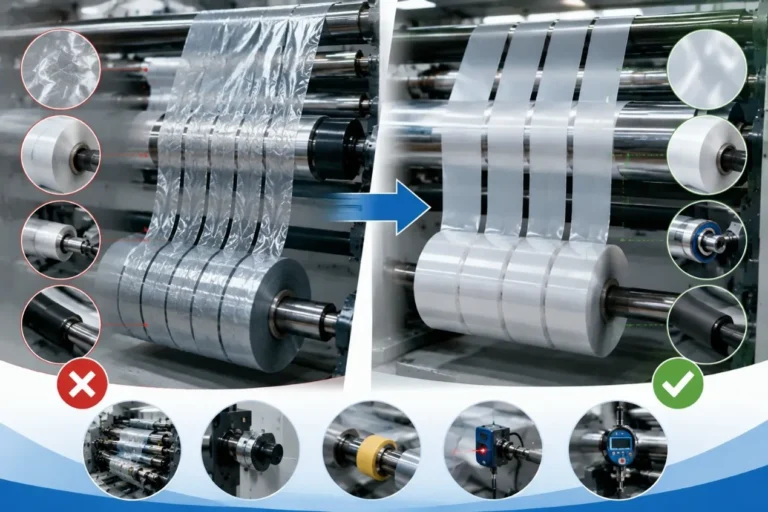
Shrink sleeve films are generally thinner and more sensitive than many conventional label materials. Excessive web tension can stretch the film before printing, leading to registration problems or distortion after shrinking. Insufficient tension may result in wrinkles, unstable web movement, or poor print quality. Closed-loop tension control, combined with accurate unwind and rewind systems, helps maintain stable material handling throughout the printing process.
Achieve Accurate Registration
High-quality shrink sleeve graphics often include vibrant colors, fine text, and complex artwork. Even slight registration errors become highly visible after the sleeve shrinks around the container. Servo-driven flexographic printing machines with automatic register control help maintain consistent color-to-color alignment, reduce startup waste, and improve repeatability, especially during long production runs.
Use the Correct Anilox Roller
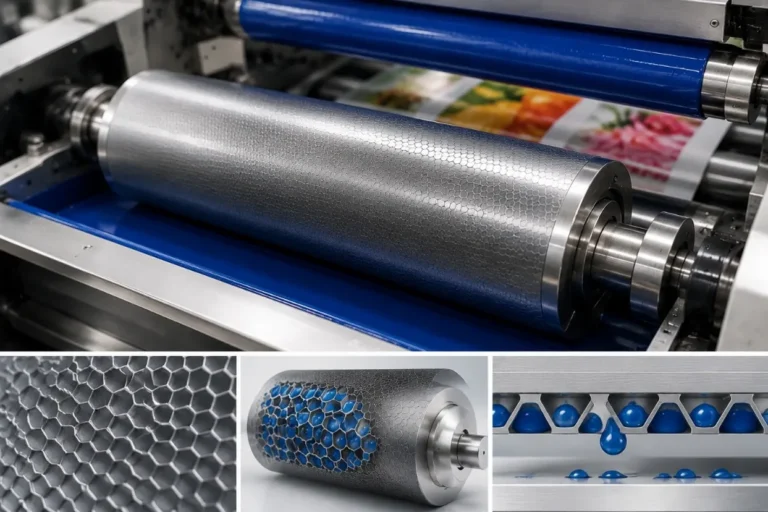
The anilox roller determines how much ink is transferred to the printing plate. Selecting the proper cell volume and line screen ensures balanced ink density, sharp details, and smooth solid areas. An anilox that transfers too much ink may increase dot gain and drying time, while one with insufficient volume may produce weak colors and poor coverage. Regular cleaning and inspection of the anilox roller are essential for maintaining consistent print quality.
Optimize Plate Mounting
Accurate plate mounting directly affects registration and image quality. Camera-assisted plate mounting machines allow operators to position plates precisely, reducing setup time and minimizing registration corrections on press. High-quality mounting tape, proper plate alignment, and careful removal of air bubbles all contribute to stable printing performance.
Control Drying and Curing
Proper drying or UV curing is necessary to ensure ink adhesion and durability before the film moves to the next production stage. Inadequate curing may cause ink transfer, blocking, or poor scratch resistance, while excessive heat can distort the film before shrinking. The curing system should be matched to the selected ink and production speed to achieve consistent results.
Inspect Print Quality Before Shrinking
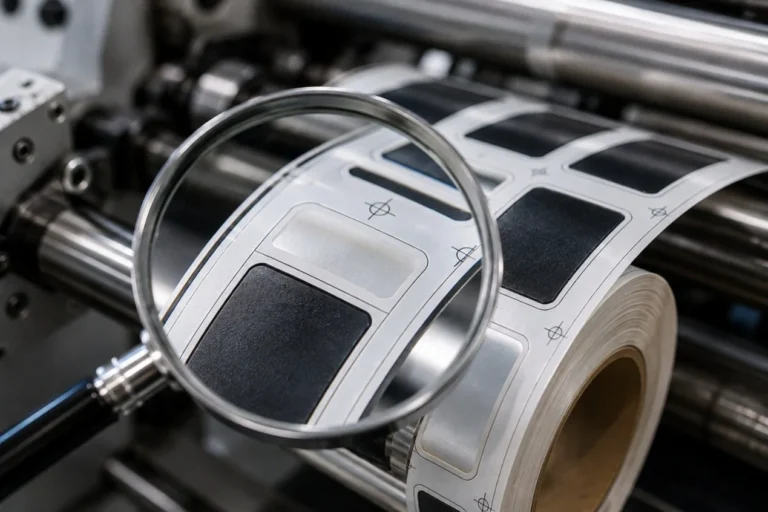
Printed sleeves should always be inspected before the shrinking process. Color consistency, registration accuracy, barcode readability, and overall print quality should meet customer specifications before the sleeves are applied to containers. Many manufacturers also perform shrink tests to confirm that graphics remain correctly positioned and undistorted after heating.
Common Printing Problems
Some of the most common shrink sleeve printing problems include color variation, registration drift, ink smearing, wrinkles, static electricity, poor ink adhesion, and image distortion after shrinking. These issues are often related to unstable web tension, incorrect ink selection, inadequate curing, improper plate mounting, or unsuitable film characteristics. A systematic approach to process control helps identify the root cause and reduce production waste.
Tips for Better Shrink Sleeve Printing
Consistent results can be achieved by selecting high-quality shrink films, using inks designed for shrink applications, maintaining stable web tension, choosing the correct anilox roller, ensuring accurate plate mounting, optimizing curing conditions, and recording successful production parameters for repeat jobs. Preventive maintenance of the printing press, regular cleaning of anilox rollers, and careful inspection of doctor blades also contribute to long-term print stability.
Conclusion
Shrink sleeve printing requires much more than simply printing on plastic film. Successful production depends on selecting the appropriate film, ink system, anilox roller, and plate mounting method while maintaining accurate registration, stable web tension, and reliable curing conditions. With modern servo-driven flexographic printing machines and standardized production procedures, manufacturers can produce high-quality shrink sleeve labels that deliver vibrant graphics, excellent durability, and consistent performance throughout the packaging process.